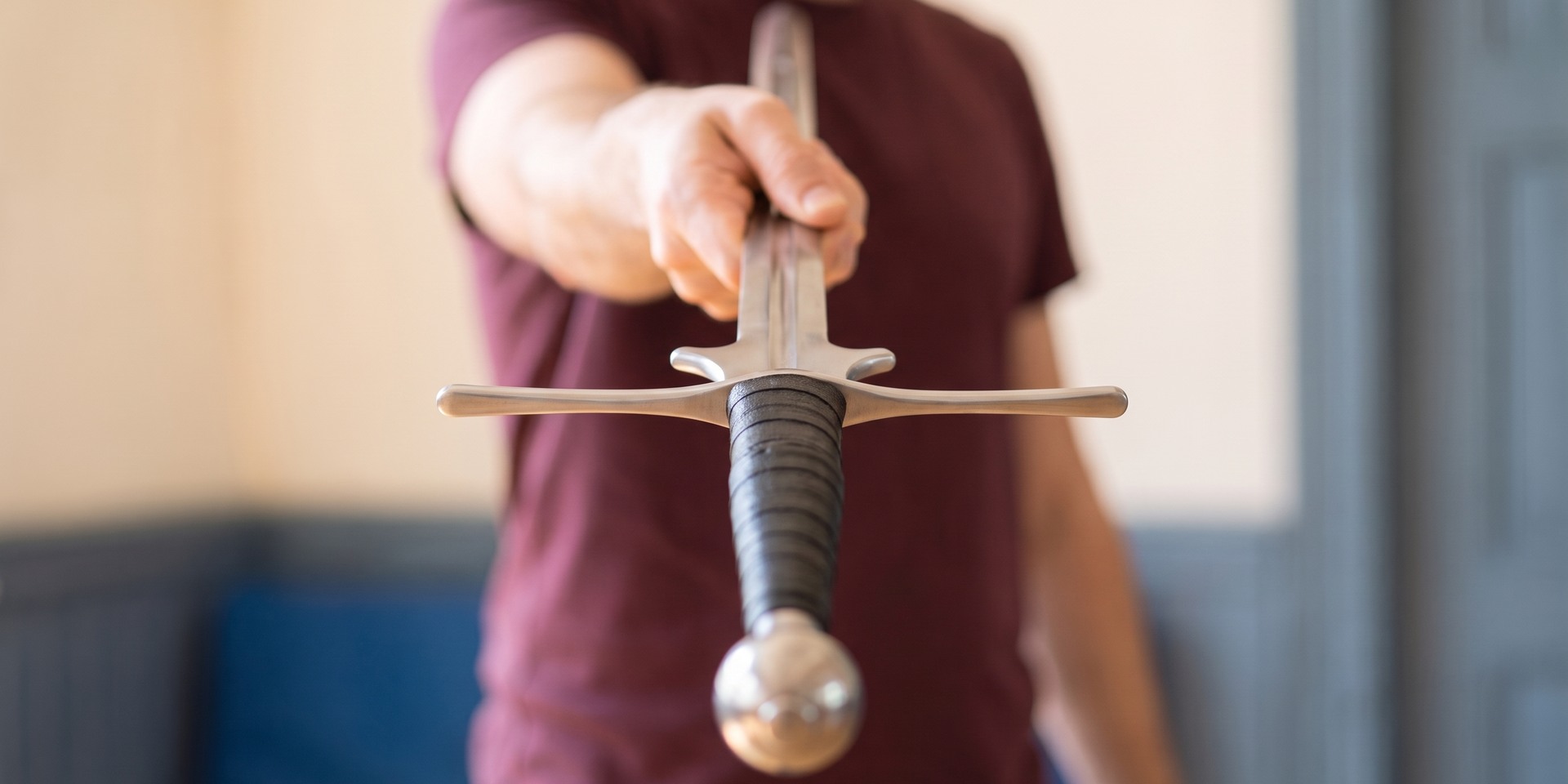
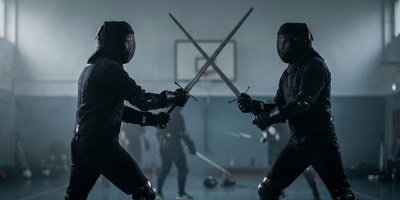
Not so long ago, you might have known nothing about Historical European Martial Arts, or HEMA. Perhaps through a forum, a friend, or a public demonstration, you discovered that you could learn to fight with a sword. This childhood dream indeed has a place in the adult world: that of a demanding martial practice directly linked to our history.
A new world opens up to you, bringing with it many questions. Where to start? How do the training sessions work? What equipment is needed? And what do all those Italian or German terms mean that you heard during your first training session?
Rest assured, we have all been there. At first, there are many things to remember and understand, and questions you might not dare to ask. Ask them anyway: you will find that the person in front of you is eager to share their knowledge and passion.
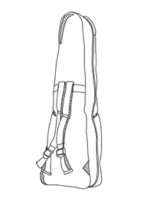
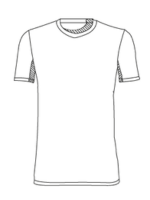
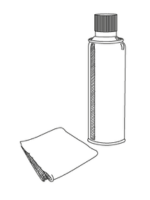
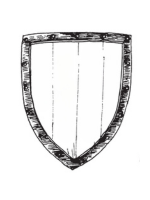
To extend the discussions you will have at the club, we provide you with a series of articles that we hope will answer your most pressing questions: understanding what the equipment is for, knowing what to buy first, and what can wait.
Take the time to discover what you enjoy. And above all, on behalf of all combat and history enthusiasts:
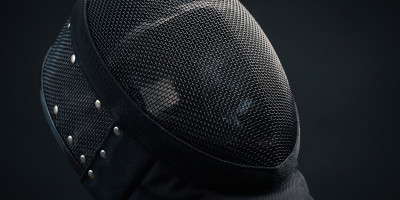
A bruise on an arm can be a training memory; a bad sword strike to the face can have far more serious consequences. From the start, choose a reliable, certified, and well-fitted mask.
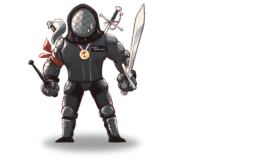
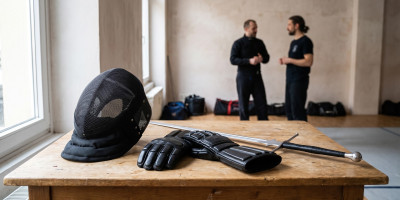
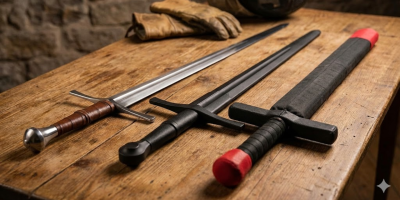
You have just joined a HEMA club and you are starting to look at the equipment. Very quickly, questions arise: which mask, which gloves, which sword... and do you really need to buy everything that the veterans wear?
Imagine holding in your hands not a movie prop, but a real weapon, designed for survival. Far from Hollywood choreography and Olympic fencing rules, there exists a world where combat with swords, daggers, or grappling is studied as a full-fledged martial art, both lethal and sophisticated. This world is Historical European Martial Arts.













 Français
 English
 Deutsch
 Italiano
 Español
 Nederlands
 Svenska